
Physical therapy has quietly become one of medicine’s key non-drug alternatives for chronic pain management, and that shift is a genuine driver behind the profession’s strong growth right now — not just an aging population needing rehabilitation after surgery or injury, but a broader push across healthcare to reduce reliance on opioid prescriptions for conditions where movement-based therapy can help. California, with one of the largest and most diverse healthcare systems in the country, sits at the center of that demand shift, and it shows up directly in the state’s above-average pay for this profession.
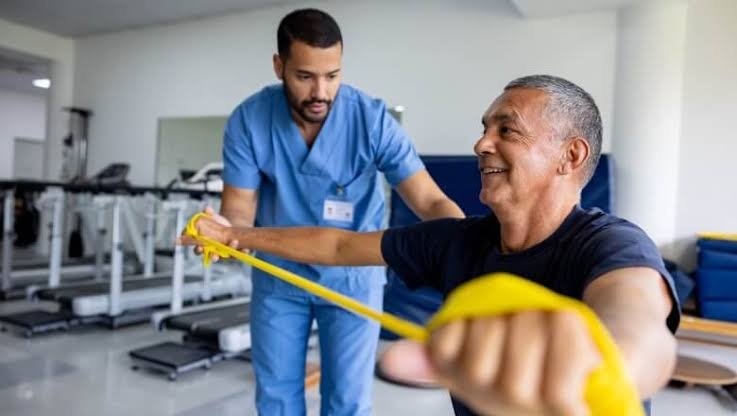
California Physical Therapist Salary Overview
| Metric | Figure |
| California median annual wage | ~$120,688–$123,300 |
| National median (for comparison) | $101,020 |
| Lowest 10 percent (national) | ~$74,420 |
| Highest 10 percent (national) | ~$132,500 |
| Physical therapists employed in California | ~24,200–28,409 |
| Projected national job growth (2024–2034) | 11% (much faster than average) |
| Annual job openings projected (national) | ~13,200 |
| Typical entry-level education | Doctor of Physical Therapy (DPT), 3 years post-bachelor’s |
Figures reflect Bureau of Labor Statistics Occupational Employment and Wage Statistics data, California state-level, with the most current available release.
Why This Profession Now Requires a Doctorate, Not Just a Master’s
It’s worth understanding a structural shift that’s reshaped physical therapy education over the past couple of decades: the entry-level credential for this profession is now a Doctor of Physical Therapy degree, a three-year graduate program following a bachelor’s degree, rather than the master’s degree that used to be sufficient. This raised the training bar and cost of entry considerably, but it also elevated the profession’s clinical scope and, correspondingly, its pay ceiling. Anyone comparing current PT salary figures against older data or anecdotes from physical therapists who trained under the master’s-level system should account for this shift, since it’s changed both the investment required and the earning potential on the other side.
The Non-Opioid Pain Management Shift Is a Genuine Growth Driver
Beyond the straightforward demand from an aging population and rising rates of chronic conditions like diabetes and obesity, physical therapy is increasingly positioned as a first-line, non-pharmacological approach to managing chronic pain — a direct response to broader healthcare efforts to reduce opioid prescribing. This isn’t a marginal trend; it’s specifically cited by industry analysts as one of the structural forces behind the field’s above-average projected growth. For California specifically, with its large population managing chronic pain conditions and a healthcare system actively working to reduce opioid dependency, this shift translates into sustained demand for physical therapy services across outpatient clinics, hospital systems, and specialized pain management programs.
Coastal vs. Inland California: A Real Financial Trade-Off Worth Running the Numbers On
Coastal metros post the highest nominal pay in the state. Cities like Oakland, San Francisco, and Los Angeles offer the strongest raw salary figures, reflecting both high demand from major academic medical centers and the region’s elevated cost of living.
Sacramento, the Inland Empire, and Central Valley cities offer a genuinely compelling alternative for real financial outcomes. These markets pair competitive PT wages with meaningfully lower housing costs than the coast, which for many physical therapists translates into more savings, a faster path to homeownership, and overall a stronger real financial position than a higher gross salary in a coastal metro provides once cost of living is factored in.
The takeaway that matters most: always run a cost-adjusted comparison before accepting a specific offer. California’s coastal pay premium looks impressive on paper, but the actual financial outcome depends heavily on where within the state a specific position is located.
What Actually Determines Where You Land in the Pay Range
Practice setting creates one of the clearest splits in this field. Home health and travel physical therapy positions tend to pay the most among common settings, reflecting both the flexibility demanded of these roles and the premium employers pay to fill positions in less convenient or more variable-schedule arrangements. Skilled nursing facilities and hospital outpatient settings tend to sit lower on the pay scale, even though they represent common, stable career paths.
Specialization and board certification add meaningful earning potential. Senior physical therapists with ten-plus years of experience and a board specialty certification — in areas like orthopedics, sports medicine, or neurology — can earn 30 to 40 percent more than new graduates, often clearing the 75th percentile of the overall pay distribution.
Employer type shapes both pay and work environment considerably. Physical therapists at skilled nursing facilities and hospitals generally earn more than those working directly for government agencies, though government positions often come with stronger benefits and job security that some PTs weigh as worth the trade-off.
Digital health and tech-adjacent employers are emerging as a genuinely competitive pay tier. Companies building virtual physical therapy and digital rehabilitation platforms have begun appearing among the higher-paying employers for this profession in California, reflecting a broader shift toward telehealth and app-based physical therapy delivery that’s opening new, well-compensated career paths beyond traditional clinical settings.
Is the DPT Investment Still Worth It Given California’s Strong Demand?
Given the profession’s above-average growth rate, the structural tailwind from non-opioid pain management demand, and California’s consistently strong pay relative to the national median, physical therapy remains a solid career investment despite the added time and cost of the now-required doctoral degree. The clearest path to maximizing that investment involves choosing a practice setting and specialization deliberately, since the gap between a senior board-certified specialist and a general new graduate can represent tens of thousands of dollars annually.
FAQs
Q1. Is it worth pursuing a board specialty certification in orthopedics or sports medicine given the extra time and cost involved?
Generally yes, particularly for physical therapists planning a long career in the field, since board-certified specialists can earn 30 to 40 percent more than new graduates with comparable years of experience. The additional certification requirements are relatively modest compared to the initial DPT program itself, making this one of the more efficient ways to boost long-term earning potential.
Q2. Should I prioritize home health or travel PT work over a stable outpatient clinic position for the higher pay?
It depends on your tolerance for less predictable scheduling and, for travel positions, frequent relocation. Home health and travel PT roles do tend to pay more, but outpatient clinic and hospital positions offer more consistency and often stronger long-term career development within a single organization, which many PTs value enough to accept somewhat lower pay for.
Q3. Is it financially smarter to work in a California coastal city or an inland city like Sacramento?
For physical therapists prioritizing real savings and quality of life over the highest nominal salary, inland cities like Sacramento or those in the Central Valley often provide a stronger overall financial outcome, given how much lower housing costs run compared to coastal metros. It’s worth running the specific cost-of-living math for your target cities rather than assuming the highest posted salary automatically represents the best outcome.
Q4. Are telehealth and digital physical therapy platforms a legitimate career path, or just a niche trend?
These platforms are increasingly appearing among competitive-paying employers in California specifically, reflecting a genuine and growing shift toward virtual and app-based rehabilitation delivery. For physical therapists comfortable with a more tech-oriented practice model, this is becoming a legitimate and well-compensated alternative to traditional in-person clinical settings, rather than a passing trend.