
Most auto mechanics aren’t paid a straightforward hourly wage the way many trades are. A large share of shops, particularly dealerships and independent repair shops, use what’s called flat-rate pay — technicians earn a set amount per job based on a standardized time estimate for that repair, regardless of how long the job actually takes them. A skilled, fast technician can significantly out-earn what their base hourly-equivalent rate would suggest, while a slower technician working the same shop hours can fall well behind. This pay structure is arguably the single most important thing to understand about how mechanic compensation actually works in practice.
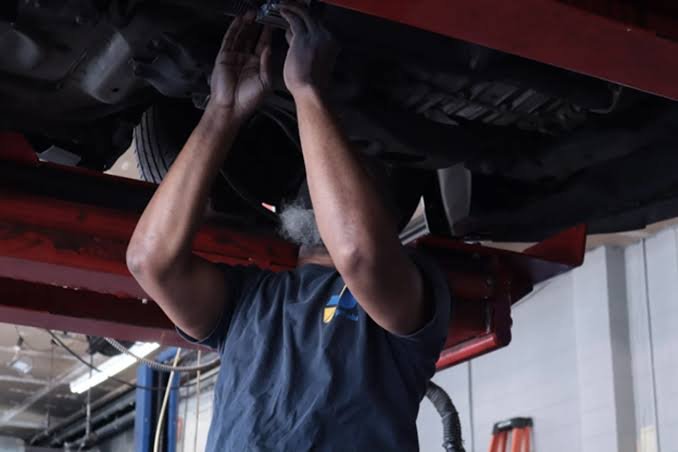
Auto Mechanic Salary Overview
| Metric | Figure |
| National median annual wage | $49,670–$50,620 |
| National median hourly wage | ~$18–$40 depending on shop and flat-rate efficiency |
| Diesel service technicians and mechanics (higher-paid specialty) | $60,640 median |
| Automotive body and glass repairers (related specialty) | ~$50,680 median |
| Projected job growth (2024–2034) | 4% (about average) |
| Annual job openings projected | ~70,000 |
| Typical entry-level education | Postsecondary certificate or associate degree, plus ASE certification |
Figures reflect the U.S. Bureau of Labor Statistics Occupational Employment and Wage Statistics program, with the most current available release.
Understanding Flat-Rate Pay Is Essential Before You Compare Any Salary Figure
Under a flat-rate system, a job like a brake replacement might be assigned a standard time — say, two hours — regardless of whether the technician actually completes it in ninety minutes or three hours. A fast, efficient technician who completes that job in ninety minutes still gets paid for the full two-hour flat-rate allotment, effectively earning a higher real hourly rate than their base pay structure suggests. This is precisely why raw hourly wage figures for this profession can be misleading — two mechanics with identical posted hourly rates at the same shop can take home meaningfully different pay depending purely on their speed and efficiency. For anyone evaluating a job offer at a flat-rate shop, understanding the specific flat-rate time standards used, and how they compare to your actual working speed, matters more than the posted hourly number alone.
Why Specialization Increasingly Separates Mechanics Into Different Pay Tiers
Diesel technicians consistently out-earn general automotive technicians, reflecting the additional complexity of diesel engine systems and strong demand from commercial trucking, agriculture, and construction industries that depend on diesel equipment staying operational.
Electric and hybrid vehicle specialization is becoming an increasingly important differentiator. As EVs and hybrids make up a growing share of vehicles on the road, technicians trained specifically in high-voltage electrical systems and EV-specific diagnostics are positioning themselves ahead of a genuine industry shift, since general automotive training doesn’t automatically prepare technicians for safely servicing these systems.
ASE certification remains one of the clearest, most direct ways to boost pay. Certification from the National Institute for Automotive Service Excellence signals verified competency to employers and is consistently cited as a meaningful salary lever, particularly for technicians seeking to move into specialized diagnostic or lead technician roles.
What Actually Determines Where You Land in the Pay Range
Employer type creates real variation in both pay structure and stability. Dealerships often pay technicians working directly on the manufacturer’s vehicles at potentially stronger flat-rate schedules, particularly for warranty work, while independent repair shops may offer more flexibility but sometimes less structured pay. Fleet service positions, maintaining company or government vehicle fleets, often pay on a straightforward hourly basis without the flat-rate variability, appealing to technicians who prefer predictable pay over the upside-and-downside of flat-rate work.
Shop equipment and organization affect both pay and job satisfaction. Shops investing in modern diagnostic tools tend to attract and retain higher-paid, more skilled technicians, since better equipment allows technicians to diagnose and complete jobs more efficiently — directly benefiting their flat-rate earnings.
Location creates meaningful pay variation, similar to most skilled trades. States and metro areas with higher costs of living and stronger demand for automotive services generally post higher wages, though the spread is somewhat less dramatic than in trades like electrical work, given how consistently distributed automotive service demand is across the country.
Management and leadership roles offer a clear path beyond flat-rate technician work. Experienced technicians who move into lead mechanic or service manager roles typically transition to salaried compensation structures, trading some of flat-rate’s earning ceiling for more predictable income and broader responsibility.
Why the Industry’s Technological Shift Matters for Your Career Planning
The automotive repair industry is genuinely changing shape right now, driven by an aging vehicle fleet needing more maintenance, rapidly advancing vehicle technology requiring more sophisticated diagnostic skill, and the ongoing shift toward electric and hybrid vehicles. This combination means the skill floor for staying competitive in this trade is rising even as overall demand remains steady. Technicians who proactively build expertise in modern diagnostic systems and EV-specific service, rather than relying solely on traditional mechanical repair skills, are positioning themselves for stronger long-term earning potential as the vehicle fleet itself continues evolving.
Is Becoming an Auto Mechanic Still a Smart Career Move?
Given the relatively short, affordable training timeline compared to a four-year degree, combined with steady demand and a clear path to well-above-median pay through specialization in diesel or EV systems, auto mechanic work remains a genuinely practical career choice for those interested in hands-on technical work. The honest consideration is that flat-rate pay structures reward speed and efficiency directly, meaning your actual earning potential depends heavily on your own working pace and the specific shop’s pay policies, not just your credentials or years of experience alone.
FAQs
Q1. How do I know if a shop’s flat-rate pay system will actually work in my favor before accepting a job offer?
Ask directly about the specific flat-rate time standards the shop uses and how they compare to industry norms, since some shops use more generous time allotments than others for the same repair work. It’s also worth asking current technicians at that shop, if possible, what their typical effective hourly earnings work out to under the flat-rate system in practice.
Q2. Is it worth pursuing EV and hybrid vehicle certification now, or should I wait until more of these vehicles are on the road?
Given how quickly the vehicle fleet is shifting toward electric and hybrid models, pursuing this training now rather than waiting positions you ahead of broader industry demand, similar to how early specialization in any emerging technical area tends to pay off before the specialty becomes oversaturated. Many technicians who wait until demand is obvious find themselves competing against a much larger pool of newly certified peers.
Q3. Does specializing in diesel repair require significantly more training than general automotive service?
It typically requires additional specialized coursework and hands-on training beyond general automotive certification, but the additional time investment is generally modest compared to how much it can increase your earning ceiling, particularly given diesel technicians’ consistently higher median pay compared to general automotive technicians.
Q4. Is it better to work at a dealership or an independent repair shop for the strongest long-term earning potential?
It depends on your priorities — dealerships often offer structured flat-rate pay tied to specific manufacturer vehicles along with clearer career advancement paths, while independent shops can offer more variety in the work but sometimes less predictable pay structures. Many technicians build initial experience at a dealership before considering a move to an independent shop or fleet service position once they’ve established strong technical skills and efficiency.