
Marine biologist is one of those career titles everyone recognizes, yet the Bureau of Labor Statistics doesn’t track it as its own occupation at all. The closest official match is “Zoologists and Wildlife Biologists,” a broader category covering researchers studying all kinds of animal species, marine life included but not exclusively. This classification gap explains a big part of why marine biologist salary figures online swing so wildly — from under $30,000 to well over $100,000 — depending on which source and which slice of this varied field you’re looking at.
Marine Biologist Salary Overview
| Metric | Figure |
| National median (zoologists and wildlife biologists, closest BLS match) | $70,510 |
| Lowest 10 percent earn | Under $41,270 |
| Highest 10 percent earn | Over $109,390 |
| Projected job growth (2024–2034) | ~6% (about average) |
| Annual job openings projected | ~1,500 nationally, across all zoology/wildlife specialties |
| Typical entry-level education | Bachelor’s degree; master’s or PhD required for most research and academic roles |
| Common federal employers | NOAA, US Fish & Wildlife Service, National Park Service |
Figures reflect the U.S. Bureau of Labor Statistics Occupational Employment and Wage Statistics program, May 2024, the most recent official release available, applied to the closest matching occupational category.
Why This Field Is Genuinely More Competitive Than Most Science Careers
It’s worth being direct about something many career guides soften: marine biology positions are limited, and competition for them is consistently strong, even for candidates with strong academic credentials. Marine research funding comes primarily from government agencies and nonprofit organizations, both of which face real budget constraints that directly limit how many positions exist at any given time. Academic positions require not just an advanced degree but a strong publication record and demonstrated success securing research grants — a combination that takes years to build and that far more PhD graduates compete for than there are available faculty positions.
The Federal Pay Scale Structure Most People Don’t Know About
A significant share of marine biology and wildlife biology jobs in the US are federal government positions, particularly at NOAA, the US Fish & Wildlife Service, and the National Park Service. These roles are typically hired onto the federal General Schedule pay scale, ranging from GS-7 for entry-level positions up through GS-13 for senior researchers and program leads. Locality pay adjustments then add 15 to 30 percent or more on top of the base GS rate for positions in high-cost cities, meaning two marine biologists at the identical GS grade can earn meaningfully different salaries depending purely on where their specific posting is located. Understanding this GS structure is genuinely useful for anyone targeting federal marine science careers, since it explains compensation in a fundamentally different way than private-sector salary negotiations do.
The Wide Range of Work Hiding Under One Job Title
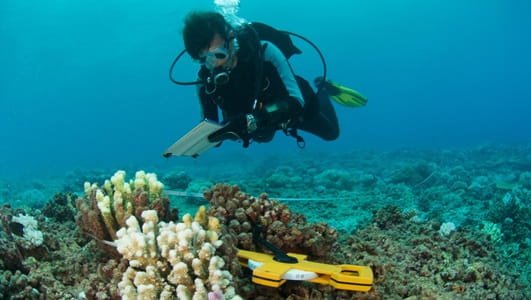
Marine biology isn’t a single fixed job — it’s closer to an umbrella term covering meaningfully different day-to-day work. One marine biologist might spend most workdays in a lab processing DNA or water samples with minimal fieldwork. Another might work primarily from research vessels, dive sites, coastal marshes, or aquariums. Others focus on conservation policy, fisheries management, environmental consulting, or increasingly, technology-supported ocean monitoring using remote sensing and data analysis tools. Each of these paths carries a somewhat different pay profile, and the wide salary range reported for “marine biologist” partly reflects this genuine diversity of actual roles rather than inconsistent data.
What Actually Determines Where You Land in the Pay Range
Education level creates one of the starkest divides in this field. A bachelor’s degree can open doors to entry-level field technician or research assistant roles, but most genuine marine biologist research positions, and nearly all academic positions, require a master’s degree or PhD. This advanced degree requirement is a major reason starting salaries in this field often look modest compared to the eventual ceiling for those who complete doctoral training and build a research career.
Employer type shapes pay considerably. Federal government positions, particularly at senior GS grades with strong locality pay, can offer competitive and stable compensation. Academic positions vary enormously based on institution prestige and grant funding success. Private-sector environmental consulting firms and aquariums often pay less than government or well-funded academic research roles, though they can offer more geographic flexibility.
Specialization within marine biology matters for both pay and job availability. Fisheries science and marine policy roles tied to commercial or regulatory interests sometimes offer stronger and more stable funding than purely academic marine ecology research, simply because the underlying work supports economically significant industries or legal compliance requirements.
Grant-writing and research funding success directly determines career sustainability in academic and nonprofit settings. Since so much of this field’s funding flows through competitive grants, marine biologists who develop strong grant-writing skills alongside their scientific expertise tend to have more stable, better-funded careers than those relying purely on institutional salary support.
Is Marine Biology Still Worth Pursuing Given the Competitive Job Market?
For those with genuine passion for ocean science and realistic expectations about the field’s competitiveness, marine biology remains a legitimate career path, particularly for those willing to pursue advanced degrees and build strong research or grant-writing credentials early. The honest caveat, worth internalizing before committing years to graduate school, is that this field doesn’t offer the volume of stable, well-paying positions that some other science careers do, and success often depends as much on strategic career positioning — target employer type, specialization, geographic flexibility — as on raw scientific talent alone.
FAQs
Q1. Do I need a PhD to have a real career as a marine biologist, or can a master’s degree be enough?
It depends heavily on the specific path — academic research and university faculty positions generally require a PhD, while many federal government research roles, environmental consulting positions, and fisheries management jobs can be accessed with a strong master’s degree. It’s worth researching the specific career path you’re targeting before committing to doctoral study, since a PhD represents a significant additional time investment that isn’t strictly necessary for every marine biology career.
Q2. Is it better to target a federal government position or an academic research career for more stable pay?
Federal positions, particularly at agencies like NOAA or the US Fish & Wildlife Service, generally offer more predictable pay progression through the GS scale and more job security than academic research, which depends heavily on ongoing grant funding and can be less stable even for well-credentialed researchers. That said, federal positions can be highly competitive to obtain, so it’s worth pursuing both paths in parallel rather than assuming either guarantees an easier route into the field.
Q3. Does relocating to a high-cost city for a federal marine biology position actually pay off given the locality pay adjustment?
Often yes, since GS locality pay adjustments specifically exist to help offset higher costs of living in expensive metro areas, though the actual real financial benefit depends on the specific city and grade level involved. It’s worth comparing the adjusted GS salary against local housing costs directly rather than assuming the locality pay fully compensates for a dramatically higher cost of living.
Q4. Should I develop grant-writing skills even if I’m more interested in fieldwork than administrative work?
Given how heavily this field depends on competitive research funding, developing at least foundational grant-writing skills is genuinely valuable even for scientists who prefer field or lab work over administrative tasks. Many successful marine biologists describe grant-writing competency as just as important to career sustainability as scientific expertise itself, since funding success directly determines whether research positions continue to exist.