
Virginia firefighter pay tells a genuine tale of two states within one. Firefighters in Northern Virginia communities like Arlington and near Fort Belvoir earn considerably more than the state average, pulled upward by proximity to Washington D.C. and the dense concentration of federal government and military installations in the region. Meanwhile, firefighters in much of the rest of Virginia see pay considerably closer to — or below — the national average. Understanding which of these two Virginia markets you’re evaluating matters enormously before assuming any single statewide figure applies to your specific situation.
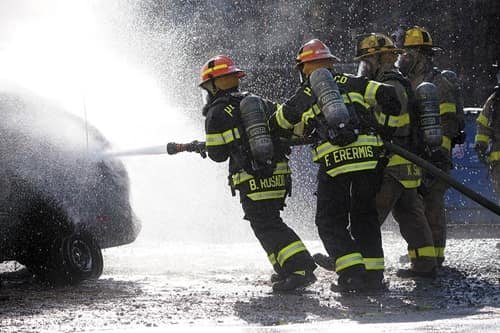
Virginia Firefighter Salary Overview
| Metric | Figure |
| Virginia average annual wage | ~$60,746–$70,700 |
| National average (for comparison) | ~$70,700–$72,900 |
| Northern Virginia premium markets (Arlington, Fort Belvoir area) | ~15–47% above state average |
| Federal firefighter average (Virginia) | ~$52,893 |
| Richmond metro average | ~$56,181–$103,216 (wide source variance) |
| Top-paying employers | US Navy, Richmond Fire Department, Henrico County |
Figures reflect a blend of current job market compensation data for Virginia, since state-level firefighter pay estimates vary considerably depending on proximity to the D.C. metro area and specific department type.
Why Northern Virginia Functions as a Genuinely Separate Job Market
Virginia’s proximity to Washington D.C. creates a firefighter compensation dynamic unlike most other states in this series. Communities in and around Arlington and near Fort Belvoir report pay running considerably above the statewide average — in some data sets, by as much as 47 percent above the broader Virginia figure. This reflects the Northern Virginia region’s higher cost of living, its dense concentration of federal government employment driving up regional wages generally, and the substantial military and federal installation presence in the area creating genuine competition for firefighting talent. Firefighters specifically targeting the strongest Virginia pay should focus their search on this Northern Virginia corridor rather than assuming the statewide average represents realistic pay expectations across the entire state.
Why Virginia’s Dense Military Presence Creates a Distinct Federal Firefighter Career Track
Virginia hosts an unusually large concentration of major military installations — Naval Station Norfolk, Fort Belvoir, Joint Base Langley-Eustis, and the Pentagon itself all fall within the state, alongside numerous other federal facilities. This creates genuine, sustained demand for federal firefighters specifically, a career track that follows an entirely different pay structure and hiring process than municipal or county fire department positions. Federal firefighter roles in Virginia specifically benefit from the state’s status as one of the most federally concentrated employment markets in the country, and this represents a genuinely distinct career path worth understanding separately from standard municipal firefighting work, given its different application process, pay scale, and typical career progression through federal civil service structures.
Why the US Navy Stands Out as a Top-Paying Virginia Employer
Among Virginia’s strongest-paying firefighter employers, the US Navy specifically stands out, reflecting the substantial naval and military installation presence throughout the state, particularly around the Hampton Roads and Norfolk area. Firefighters working at these military installations often access a different benefits and pay structure than municipal firefighters, and this represents a genuine, distinctive career option available to Virginia firefighters that isn’t nearly as prominent in most other states without comparable levels of military installation density.
What Actually Determines Where You Land in the Pay Range
Proximity to Washington D.C. remains the single largest geographic factor shaping Virginia firefighter pay. Communities closer to the D.C. metro area consistently post stronger pay than Virginia communities farther from this economic center, reflecting both cost-of-living differences and the concentration of federal employment driving regional wage levels upward.
Choosing between municipal, county, and federal employment tracks creates genuinely different career and compensation structures. Municipal and county fire departments follow more traditional local government pay scales, while federal firefighter positions at military installations follow federal civil service pay structures — these represent distinct application processes and career paths worth researching separately rather than assuming they function identically.
Rank progression follows the standard pattern seen across most fire departments nationally. Moving from firefighter through engineer, lieutenant, and captain ranks comes with meaningful pay increases at each step, consistent with career ladders in most other states.
Additional certifications and skills can meaningfully affect pay in Virginia specifically. Some Virginia departments offer additional compensation for firefighters holding a college degree or possessing bilingual language skills, reflecting the value these skills add in community-facing emergency response work.
Overtime represents a genuine, substantial component of realistic total compensation. Given the demanding, round-the-clock nature of firefighting work, overtime opportunities are frequent across Virginia departments, and firefighters willing to take on additional shifts can see total compensation meaningfully exceed base salary figures alone.
Why Building Pre-Academy Certifications Can Meaningfully Improve Starting Pay
Firefighters entering the Virginia job market with EMT or firefighter certifications already completed, rather than expecting the hiring department to provide this training, are often positioned to negotiate stronger starting pay and reduce the training commitment a department needs to make on their behalf. This is a genuinely actionable strategy worth pursuing before applying broadly across Virginia departments, particularly given how competitive positions at the strongest-paying Northern Virginia and federal employers tend to be.
Is Virginia a Smart State for a Firefighting Career?
For firefighters specifically targeting Northern Virginia communities near D.C. or federal installation positions given the state’s substantial military presence, Virginia offers genuinely strong compensation opportunities within this field. For those working in the broader state outside this specific corridor, Virginia’s pay sits closer to or modestly below the national average, making location choice within the state one of the most consequential decisions a Virginia firefighter can make for their long-term earning potential.
FAQs
Q1. Should I specifically target Northern Virginia departments near Arlington or Fort Belvoir if I want the strongest firefighter pay in the state?
Given the documented pay premium these areas show compared to the broader Virginia average, yes, this is a reasonable strategy worth pursuing, though it’s also worth understanding that Northern Virginia’s cost of living, particularly housing, runs considerably higher than most other parts of the state. It’s worth weighing the nominal pay advantage against this cost-of-living difference before assuming it represents a clearly better overall financial outcome for your specific situation.
Q2. Is pursuing a federal firefighter position at a military installation a better career choice than municipal firefighting in Virginia?
It depends on your specific priorities — federal firefighter positions offer a genuinely distinct career track with federal civil service benefits and pay structures, while municipal and county departments offer more traditional local government career progression and community-based work. Given Virginia’s substantial military installation presence, it’s worth researching both paths directly and considering which application process and long-term career structure better aligns with your goals.
Q3. Is it worth earning EMT and firefighter certifications on my own before applying to Virginia departments?
Generally yes — entering the hiring process with these certifications already completed reduces the training commitment a department needs to make and can help you negotiate a stronger starting salary, particularly when competing for positions at the state’s higher-paying departments. It’s a reasonable investment of time before beginning your job search, especially if you’re specifically targeting competitive Northern Virginia or federal installation positions.
Q4. Does working for the US Navy or another military branch actually pay firefighters more than a typical Virginia municipal department?
Based on current compensation data, the US Navy specifically ranks among Virginia’s top-paying firefighter employers, reflecting the state’s substantial military installation presence, particularly around Hampton Roads and Norfolk. It’s worth researching specific military installation firefighter openings directly, since these positions follow a different application and compensation structure than standard municipal department hiring processes.