
Dental hygiene offers one of the best pay-to-training ratios in American healthcare — a median wage that now sits slightly above registered nursing, achieved with a three-year associate degree rather than a bachelor’s degree, and without the night or weekend shifts nursing typically requires. But there’s a genuine wrinkle in how this profession’s pay gets reported: a substantial share of dental hygienists work part-time by design, often just a few clinic days a week, which means the standard annual salary figure can tell a misleading story unless you look at the hourly rate underneath it.
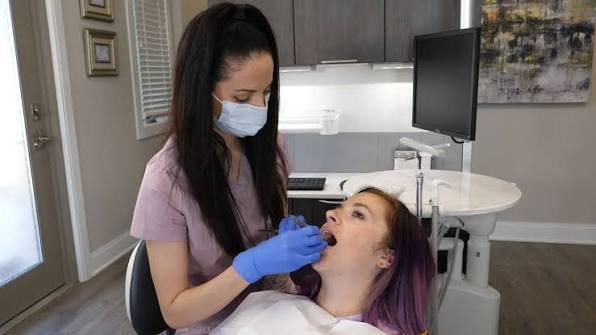
Dental Hygienist Salary Overview
| Metric | Figure |
| National median annual wage | $94,260–$98,100 (depending on data release year) |
| National median hourly wage | ~$47.16 |
| Lowest 10 percent (hourly) | ~$36.00/hour |
| Highest 10 percent (hourly) | ~$60.60/hour |
| Total employed dental hygienists | ~222,740 |
| Projected job growth (2024–2034) | 7% (much faster than average) |
| Annual job openings projected | ~15,300 |
| Typical entry-level education | Associate degree (3 years) + state licensure |
Figures reflect the U.S. Bureau of Labor Statistics Occupational Employment and Wage Statistics program, with the most recent available release.
Why the Hourly Number Matters More Than the Annual One Here
According to a 2022 American Dental Association Health Policy Institute survey, roughly 29 percent of dental hygienists work under 32 hours a week — a genuinely large share of the profession working part-time by choice or by the structure of how dental practices schedule staff. Annual BLS wage figures assume full-time, year-round hours, which many practicing hygienists simply don’t work. A hygienist earning the median hourly rate but working three eight-hour clinic days a week grosses roughly $58,800 annually — the same underlying wage rate, but a dramatically different W-2 figure than the full-time annual median suggests. Anyone researching this profession’s pay should read the hourly column first and build their own annual estimate based on their intended schedule, rather than assuming the published annual median reflects typical take-home pay.
Why This Profession Now Out-Earns Registered Nursing on a Median Basis
As of the most recent data, dental hygienists’ median pay has edged slightly above the registered nurse median — a genuinely notable milestone given how much more training an RN program typically requires. This is achieved through a three-year associate degree rather than nursing’s typical two-to-four-year path, and without the night, weekend, and holiday shift work that hospital-based nursing usually demands. The trade-off is that nursing offers a considerably longer advancement ladder — pathways into specialization, leadership, nurse practitioner training, and beyond — that dental hygiene’s more contained scope of practice doesn’t offer to the same degree. For someone purely comparing near-term pay against required training investment, though, dental hygiene currently presents one of the strongest ratios in healthcare.
Why DSO Consolidation Is Reshaping This Field’s Pay Right Now
Dental Service Organizations — corporate entities that manage administrative and business operations for multiple dental practices — have been rapidly consolidating dental practices across several states, including Texas, Florida, California, Arizona, Colorado, North Carolina, Tennessee, and Georgia. This consolidation is actively reshaping hygienist compensation in these states, generally putting upward pressure on pay as DSOs compete for staff across larger networks of practices, though it can also mean more standardized, corporate-style compensation structures compared to the more variable pay negotiations common at independently owned single-location practices.
The States Where Scope of Practice Is Expanding, and Why It Matters for Pay
A handful of states — Minnesota, Vermont, Maine, Alaska, Connecticut, and Washington — have authorized a “dental therapist” credential, an expanded scope of practice role that sits between a dental hygienist and a dentist in terms of clinical authority. States actively expanding hygienist scope of practice more broadly tend to see faster wage growth for the profession, since a hygienist authorized to perform more procedures independently becomes correspondingly more valuable to a practice. For hygienists considering relocation, states with active scope-expansion legislation are worth researching specifically, since these regulatory shifts are directly tied to compensation trends.
What Actually Determines Where You Land in the Pay Range
Geographic location creates real variation, though even the lowest-paying states remain well above the national median for all occupations. States with high costs of living, active DSO consolidation, or no state income tax — Washington, Texas, and Florida among them — tend to see some of the fastest wage growth for this profession.
Full-time versus part-time status is the single biggest driver of your actual annual take-home, independent of the hourly rate. Given how common part-time scheduling is in this field, deliberately choosing to work full-time hours, or picking up shifts across multiple practices, is one of the most direct ways to increase annual income without needing a higher hourly rate at all.
Setting and practice type shape both pay and benefits access. Corporate DSO-affiliated practices may offer more standardized benefits and predictable scheduling, while independent practices can offer more schedule flexibility but sometimes less structured benefits, particularly for hygienists working reduced hours.
Is Dental Hygiene Still One of the Best Associate-Degree Careers Available?
Given the combination of strong median pay, faster-than-average job growth, a relatively short three-year training path, and a median wage now matching or exceeding registered nursing without requiring night shifts, dental hygiene remains one of the strongest associate-degree careers currently available in the US healthcare system. The key to evaluating any specific opportunity accurately is focusing on the hourly rate and your intended weekly hours rather than assuming the standard published annual figure reflects what you’ll actually take home.
FAQs
Q1. Should I look for full-time dental hygienist work, or is part-time scheduling actually more common and expected in this field?
Part-time scheduling is genuinely common in this profession, with close to a third of hygienists working under 32 hours a week according to industry surveys, so it’s not unusual or a sign of a weak job market if that’s what’s available. If maximizing annual income is your priority, it’s worth specifically seeking full-time positions or supplementing part-time hours at one practice with additional shifts elsewhere, since the hourly rate itself is often quite strong regardless of total hours worked.
Q2. Does working for a DSO-affiliated practice pay better than an independent dental office?
It varies, but DSO consolidation has generally put upward pressure on hygienist pay in states where it’s most active, partly through more standardized, competitive compensation structures across larger practice networks. Independent practices can still offer competitive pay and often more scheduling flexibility, so it’s worth comparing specific offers directly rather than assuming one practice type automatically pays better.
Q3. Is it worth relocating to a state with dental therapist authorization or active scope-of-practice expansion for better pay?
For hygienists specifically interested in performing a broader range of procedures and potentially earning more as a result, states with active scope-expansion legislation or dental therapist authorization are worth researching, since these regulatory environments tend to correlate with faster wage growth for the profession. It’s still worth weighing the specific state’s licensing requirements and cost of living alongside the pay data before making a relocation decision.
Q4. Why do some salary figures for dental hygienists look so different depending on where I look them up?
Much of the variation comes down to whether a source is citing the most recent BLS release or an older one, and whether they’re reporting the annual figure — which assumes full-time year-round work — or the hourly rate, which better reflects actual earnings for the many hygienists working part-time schedules. Always check the data year and whether the figure is annual or hourly before comparing numbers across different sources.