
Truck driver salary figures online are a mess, and it’s not hard to see why. Search the topic and you’ll find numbers ranging from the high $30,000s to well over $200,000, sometimes on the same page. Most of that spread comes down to what’s actually being measured — a company driver’s W-2 wages, an owner-operator’s gross revenue before expenses, or a job board’s advertised pay range that skews toward the most competitive postings rather than the typical outcome. Untangling those categories matters more here than in almost any other profession, because the difference between them can be six figures.
Here’s what federal wage data actually shows, and why the number that matters most depends heavily on how you’re paid, not just what job title you hold.
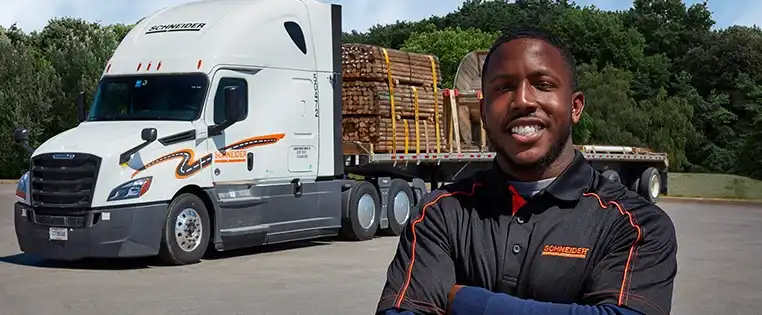
Truck Driver Salary Overview
| Metric | Figure |
| National median annual wage (company drivers) | $57,440–$58,640 |
| Lowest 10 percent earn | Under $38,640–$40,140 |
| Highest 10 percent earn | Over $78,800–$79,380 |
| Total employed heavy/tractor-trailer drivers | ~2,235,100 |
| Projected job growth (2024–2034) | 4% (about average) |
| Annual job openings projected | ~237,600 |
| Typical entry-level education | High school diploma + CDL from a truck driving school |
| Typical owner-operator gross revenue | ~$228,000 (before expenses) |
Figures reflect the U.S. Bureau of Labor Statistics Occupational Employment and Wage Statistics program, with May 2024 as the base year and more recent state-level updates layered in where available.
Why “Truck Driver Salary” Almost Never Means a Fixed Salary
Very few truck drivers are actually paid a flat annual salary. Most company drivers are paid by the mile — typically somewhere between 45 and 60 cents per mile for standard dry van freight, with specialized loads like tanker or hazmat pushing well past 70 cents. A driver logging 2,500 miles a week at 55 cents a mile lands around $71,500 a year before bonuses, which illustrates why two drivers with the same job title can post wildly different annual totals depending on how many miles they actually run.
This per-mile structure is also why the BLS median — a solid, survey-based figure — tends to sit noticeably below some of the numbers advertised on job boards. Those postings often highlight the pay a driver could earn running maximum legal miles consistently, which isn’t the typical outcome once you factor in downtime, weather delays, and home-time preferences.
Company Driver vs. Owner-Operator: Two Completely Different Financial Pictures
Company drivers get a predictable paycheck and none of the overhead. The carrier owns the truck, covers most major maintenance costs, and handles fuel contracts and insurance. In exchange, pay is more modest but stable, and it’s the figure that BLS wage data actually captures.
Owner-operators gross far more, but net income tells a very different story. An owner-operator might report gross revenue north of $200,000 a year, but after fuel, truck payments, insurance, maintenance, and permits, net income typically lands somewhere between $80,000 and $150,000. This is the single biggest source of confusion in truck driver salary searches — a gross revenue figure and a take-home wage are not comparable numbers, but they frequently get quoted side by side as if they were.
What Actually Changes a Company Driver’s Take-Home Pay
Freight type and CDL endorsements add real, durable premiums. A tanker endorsement alone can push pay up by 20 to 30 percent over standard dry van rates, and stacking tanker with hazmat certification can add even more. These endorsements require additional testing but no extra schooling, making them one of the fastest ways to raise pay without changing careers.
Route type shapes both pay and lifestyle. Over-the-road (OTR) drivers, who cover the most miles and spend the most time away from home, generally out-earn regional and local drivers, but at a real cost to home time. Local and regional roles trade some earning potential for a schedule that looks more like a typical job.
State matters more than you’d expect, driven largely by freight demand and cost of living. States with dense freight corridors and high living costs — parts of the Northeast, the Pacific Northwest, and California — tend to post higher average pay, while some Southern states sit toward the lower end of the national range.
Experience compounds gradually rather than dramatically. Unlike some professions where a promotion changes your pay bracket outright, trucking pay tends to climb steadily as a driver builds a clean safety record and moves toward more specialized, higher-paying freight over time.
The Job Outlook Remains Strong, Even With Automation in the Conversation
Despite ongoing conversations about autonomous trucking technology, the BLS still projects 4 percent employment growth for heavy and tractor-trailer drivers through 2034, with roughly 237,600 openings expected annually — one of the highest annual opening counts of any occupation tracked, driven largely by retirements and turnover rather than new job creation alone. Most industry analysts expect autonomous technology to affect specific highway corridors and controlled freight routes well before it meaningfully reduces overall demand for human drivers, particularly in local delivery, complex urban routes, and situations requiring real-time judgment.
FAQs
Q1. Why do some truck driver salary figures online look so much higher than the BLS median?
Many of those figures come from job board postings or gross owner-operator revenue rather than actual company driver wages. Job boards tend to advertise the higher end of what’s achievable running maximum miles, and owner-operator gross revenue doesn’t account for the substantial expenses that come out before it becomes take-home pay.
Q2. Is it worth becoming an owner-operator instead of staying a company driver?
It depends heavily on your tolerance for financial risk and business management. Owner-operators can net more over time, but they also absorb fuel price swings, maintenance costs, and slow freight markets directly, which company drivers are shielded from. It’s generally a better fit for drivers with a few years of experience and a clear handle on the business side of trucking.
Q3. Which CDL endorsement offers the best return for the additional testing required?
A tanker endorsement is often considered one of the best value additions, since it requires no extra schooling beyond passing a specific test, yet it can meaningfully increase pay. Combining it with a hazmat endorsement compounds that premium further, though hazmat does require an additional background check process.
Q4. Does staying local or regional mean giving up significant income compared to over-the-road driving?
Generally yes, though the gap has narrowed somewhat as carriers compete harder to retain drivers who want to be home more often. For many drivers, particularly those with families, the trade-off is worth it, and some regional and local carriers have started offering more competitive pay specifically to attract drivers who no longer want the OTR lifestyle.